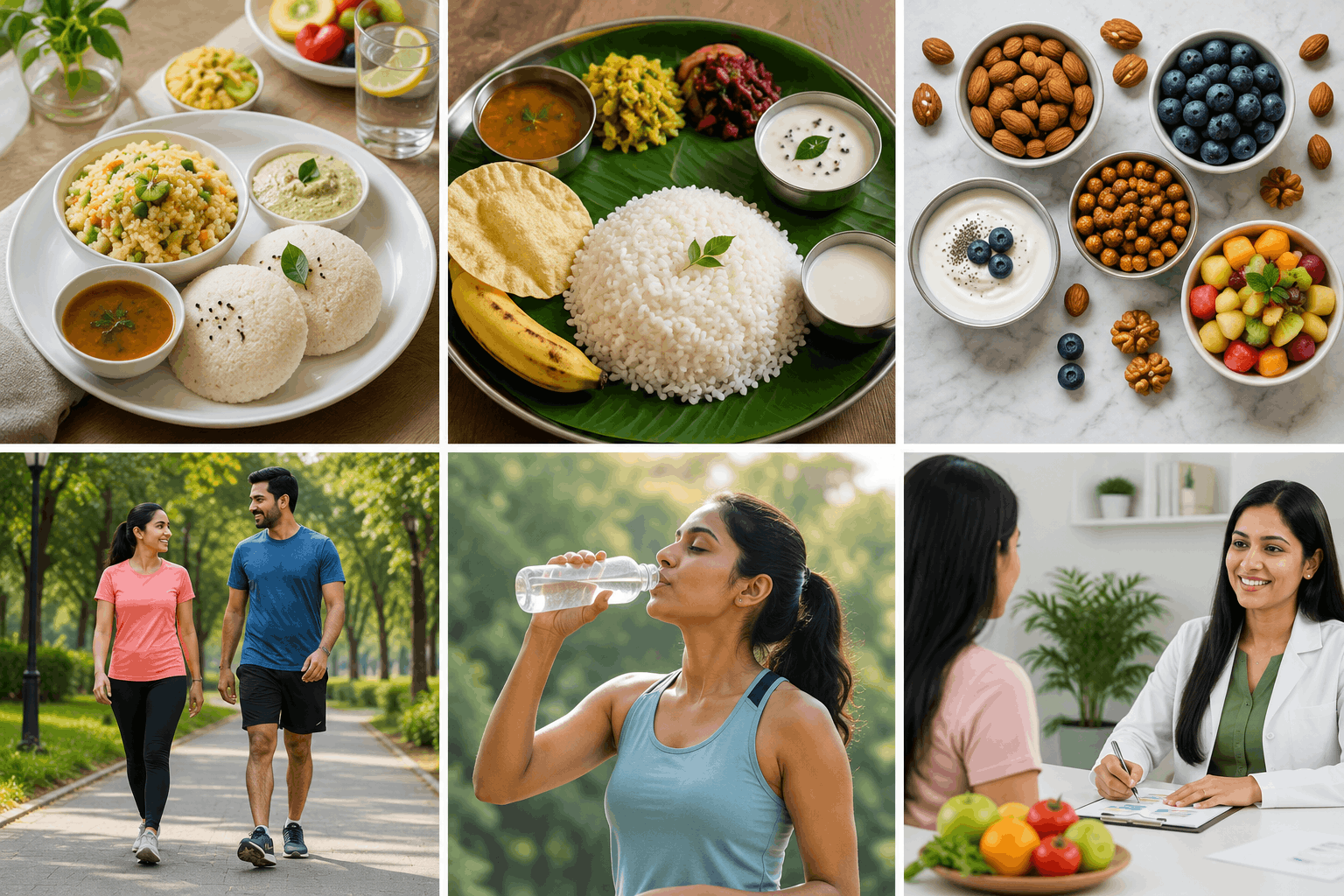
If you've tried crash diets, skipped meals, or spent hours exercising without seeing lasting results, you're not alone. Many people struggle with weight loss because they focus on quick fixes instead of healthy habits. This complete weight loss guide takes a different approach: sustainable weight loss doesn't require starving yourself or giving up your favorite foods.
With the right nutrition, balanced meals, regular activity, quality sleep, and consistency, you can achieve your goals while still enjoying life. In this guide, you'll learn why weight gain happens, how weight loss actually works, healthy Indian and Kerala-friendly eating habits, foods to include and limit, practical lifestyle tips, common mistakes to avoid, and when to seek guidance from a qualified dietitian.
Why trust this guide? At The Significant Plate, we believe nutrition should be practical, enjoyable, and backed by evidence. This guide is designed for general education — every person is different, so individual nutrition advice should always consider your medical history, lifestyle, and personal goals.
Editorial policy: Articles are written by our qualified dietitians and reviewed for accuracy before publishing. We update content when nutrition science or guidelines change. We do not accept payment for product mentions.
What Is Healthy Weight Loss?
Healthy weight loss means reducing excess body fat while maintaining muscle, strength, and overall health — not becoming as thin as possible or following restrictive diets. The goal is to create habits you can maintain for months and years, not just a few weeks. Rather than chasing a number on the scale, aim for better health, improved energy, stronger fitness, and greater confidence.

Why Do People Gain Weight?
Weight gain usually develops over time through a combination of factors — it's rarely caused by one single food or meal.
Extra energy is stored as fat — this highlights portion size, not a reason to fear food.
Long hours sitting mean your body burns fewer calories throughout the day.
Lack of sleep affects hunger hormones, often increasing cravings for high-calorie foods.
Stress can drive emotional eating, especially of foods high in sugar, salt, or fat.
PCOS, hypothyroidism, diabetes, and certain medications can make weight management harder.
How Does Weight Loss Actually Work?
There's no "magic food" that melts fat — weight loss comes from consistent healthy habits over time. Your body uses energy every day for breathing, digestion, movement, and daily activity. When your overall energy intake is lower than what your body uses, it gradually draws on stored fat. The goal isn't to eat as little as possible — a balanced eating pattern that supports your health is far more effective, and sustainable, than extreme dieting.
Is Diet More Important Than Exercise?
Nutrition and exercise work best together. Healthy eating manages your energy intake and nutrient needs; exercise supports heart health, preserves muscle, and improves mood. You don't need hours in the gym — walking, cycling, swimming, yoga, strength training, and dancing can all contribute to a healthier lifestyle when combined with balanced nutrition.
How Fast Can You Lose Weight Safely?
Healthy weight loss takes time. Rapid weight loss programs often promise dramatic results, but they can be hard to maintain and may not provide enough nutrients. A healthy lifestyle isn't something you follow for a month — it's something you build for life.
Ready to stop guessing and start seeing real results? A personalized plan built around your body beats any generic guide — including this one.
Get Your Free Personalized PlanSigns You're Losing Weight the Healthy Way
The number on the scale isn't the only sign of progress. Watch for these too:
- More energy — a balanced diet fuels your day-to-day function.
- Clothes fit better — body composition often changes before the scale reflects it.
- Feeling stronger — enough protein and activity helps preserve muscle while losing fat.
- Better digestion — vegetables, fruits, whole grains, and water often reduce bloating.
- Improved sleep — healthy eating and activity support better sleep quality.
Why Most Diets Fail
Most people start motivated and give up within weeks — usually not from lack of willpower, but from choosing an approach too difficult to maintain:
- Trying to lose weight too quickly with restrictive crash diets
- Completely avoiding favorite foods like rice or chapati, forever
- Skipping meals, which often leads to overeating later
- Following social media trends instead of evidence-based advice
- Ignoring sleep, stress, and consistency as part of the picture
Setting Realistic Weight Loss Goals
Instead of "I want to lose 20 kg as fast as possible," try specific, repeatable actions: eat vegetables with lunch and dinner, walk 30 minutes at least five days a week, drink enough water daily, prepare healthy meals more often, sleep at least seven hours a night. Small habits, repeated consistently, lead to lasting results.
How to Prepare Before Starting Your Weight Loss Journey
- Clean your kitchen — replace processed snacks with fruit, unsalted nuts, roasted chickpeas, and yogurt.
- Plan your meals — even deciding tomorrow's meals in advance makes a real difference.
- Keep healthy snacks available — fruit, boiled eggs, Greek yogurt, roasted peanuts, sprouts.
- Stay hydrated — thirst is often mistaken for hunger; carry a reusable water bottle.
Weight Loss Is Different for Everyone
Age, gender, genetics, activity level, medical conditions, medications, sleep, and stress all influence weight loss. Avoid comparing your progress to someone else's — your goal is building habits that work for your own lifestyle. A generic internet diet plan can't account for your medical history, food preferences, and health goals the way a personalized nutrition plan can — especially if you have diabetes, PCOS, thyroid disorders, or digestive concerns.
Expert Tips for Sustainable Weight Loss
Foods That Support Weight Loss
One of the biggest myths about weight loss is that you need to stop eating your favorite foods. In reality, it's about building balanced meals, not avoiding entire food groups.
Fill half your plate — spinach, cabbage, broccoli, carrots, beans, and Kerala favorites like ash gourd and drumstick.
Paneer, tofu, lentils, chickpeas, eggs, chicken, fish — keeps you full and supports muscle.
Brown rice, Kerala red rice, whole wheat chapati, oats, millets — portion matters more than eliminating rice.
Apple, orange, papaya, guava, berries — whole fruit over juice for the extra fiber.
Almonds, walnuts, flaxseeds, olive oil — important, but still calorie-dense, so portion matters.
Why Fiber Matters
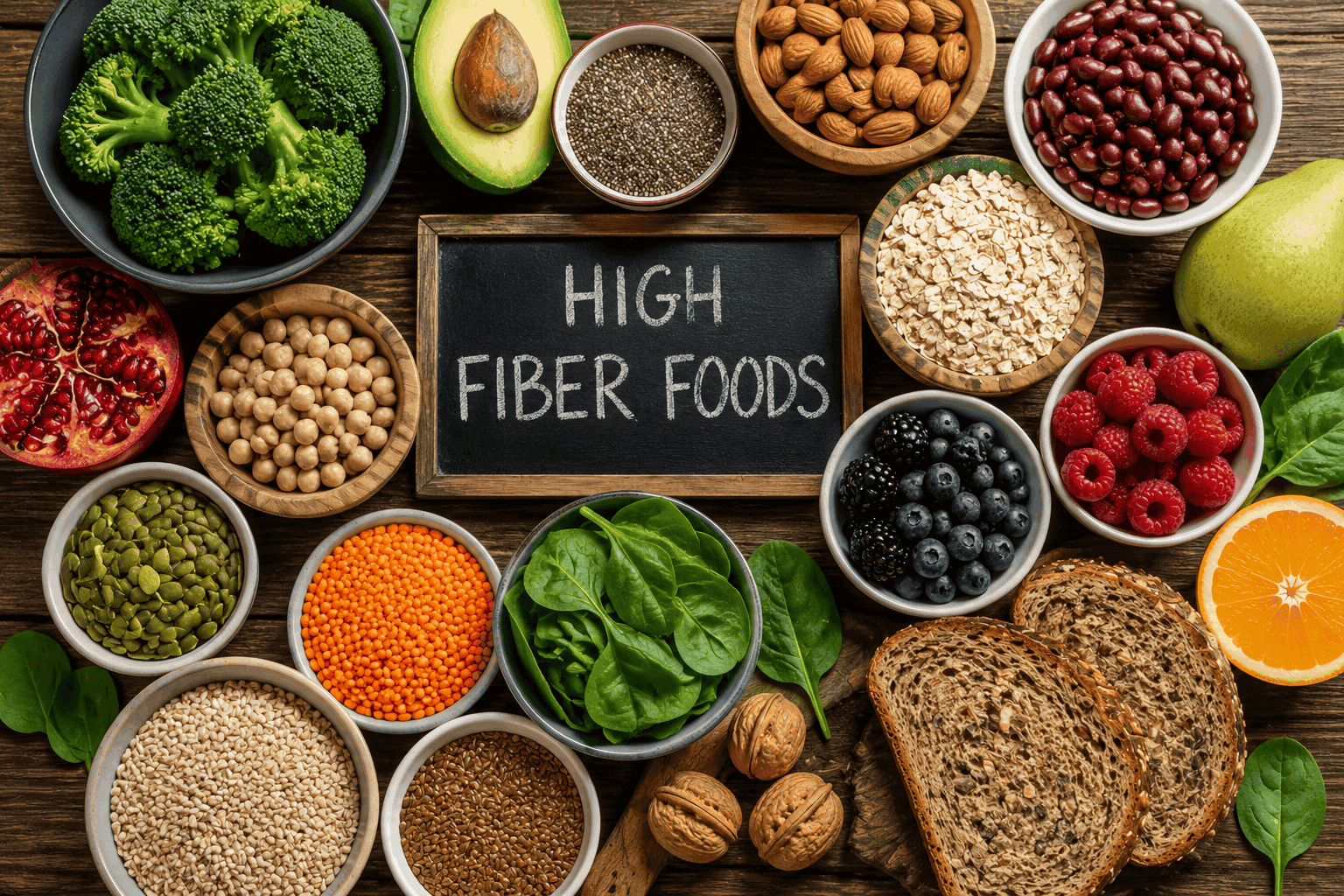
Fiber slows digestion, helps you feel fuller for longer, and supports healthy blood sugar levels — all of which make it easier to manage portions naturally, without white-knuckling through hunger. Vegetables, fruits with skin, legumes, and whole grains are all good sources — aim to include at least one at every meal.
Foods to Limit (Not Completely Avoid)
Healthy eating isn't about labeling foods "good" or "bad." Try limiting sugary soft drinks, cakes, pastries, deep-fried snacks, chips, fast food, processed meats, and sweetened coffee drinks — enjoying them occasionally is fine. The goal is moderation, not perfection.
| Instead Of | Try |
|---|---|
| Sugary soft drinks | Water, buttermilk, or coconut water |
| Deep-fried snacks | Roasted chickpeas or roasted nuts |
| White bread | Whole wheat bread or chapati |
| Sweetened coffee/tea | Black coffee or tea with less sugar |
| Packaged fruit juice | Whole fruit |
| Fried chips | Baked or roasted vegetable chips |
Is Rice Good for Weight Loss?
One of the most common questions dietitians hear — and the answer is yes, rice can absolutely be part of a healthy weight loss plan. What matters is portion size, cooking method, and meal balance. A large plate of white rice with fried foods is very different from a moderate portion of rice with vegetables, dal, and grilled fish.
The Healthy Plate Method
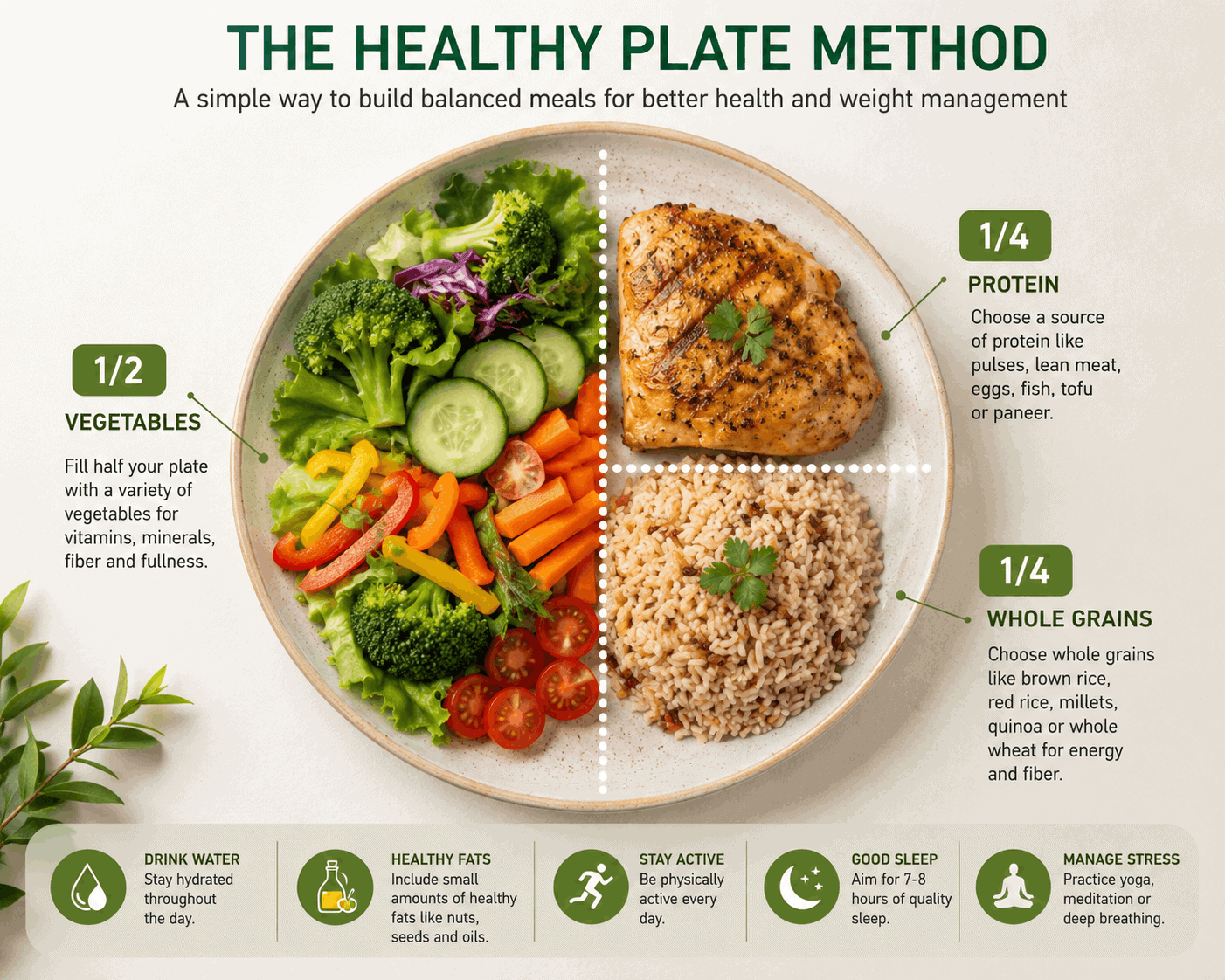
A simple way to build balanced meals without counting every calorie: fill half your plate with vegetables, one quarter with protein, and one quarter with whole grains or rice. This approach lines up closely with the 2024 Dietary Guidelines for Indians from ICMR-NIN, which emphasize dietary variety, more vegetables and legumes, and moderating salt, fat, and sugar.
How to Read Food Labels
Packaged food labels can be confusing, but a few checks make a real difference:
- Check serving size first — the calories listed are often per serving, not per package.
- Look at added sugar, not just "sugar" — many labels combine natural and added sugar.
- Check the ingredient list — ingredients are listed by quantity, so if sugar or oil appears in the first three, it's a significant part of the product.
- Watch for sodium, especially in packaged snacks and instant foods.
- Fibre content — higher fibre generally means more filling, and better for digestion.
| Label Term | What It Actually Means |
|---|---|
| "Low Fat" | Often higher in added sugar to compensate for taste |
| "Multigrain" | Doesn't always mean whole grain — check the ingredient list |
| "No Added Sugar" | May still contain natural sugars (e.g., fruit juice concentrate) |
| "Diet" / "Zero Calorie" | Usually refers to sugar content, not necessarily overall nutrition |
Sample Indian Weight Loss Meal Plan
Vegetable oats, upma, or idli with sambar
Apple, orange, guava, or buttermilk
Rice or chapati, dal, grilled chicken or fish, mixed vegetables, salad, curd
Roasted chickpeas, fruit, nuts, or sprouts
Chapati with vegetable curry, or grilled fish with vegetables
Kerala Weight Loss Meal Plan
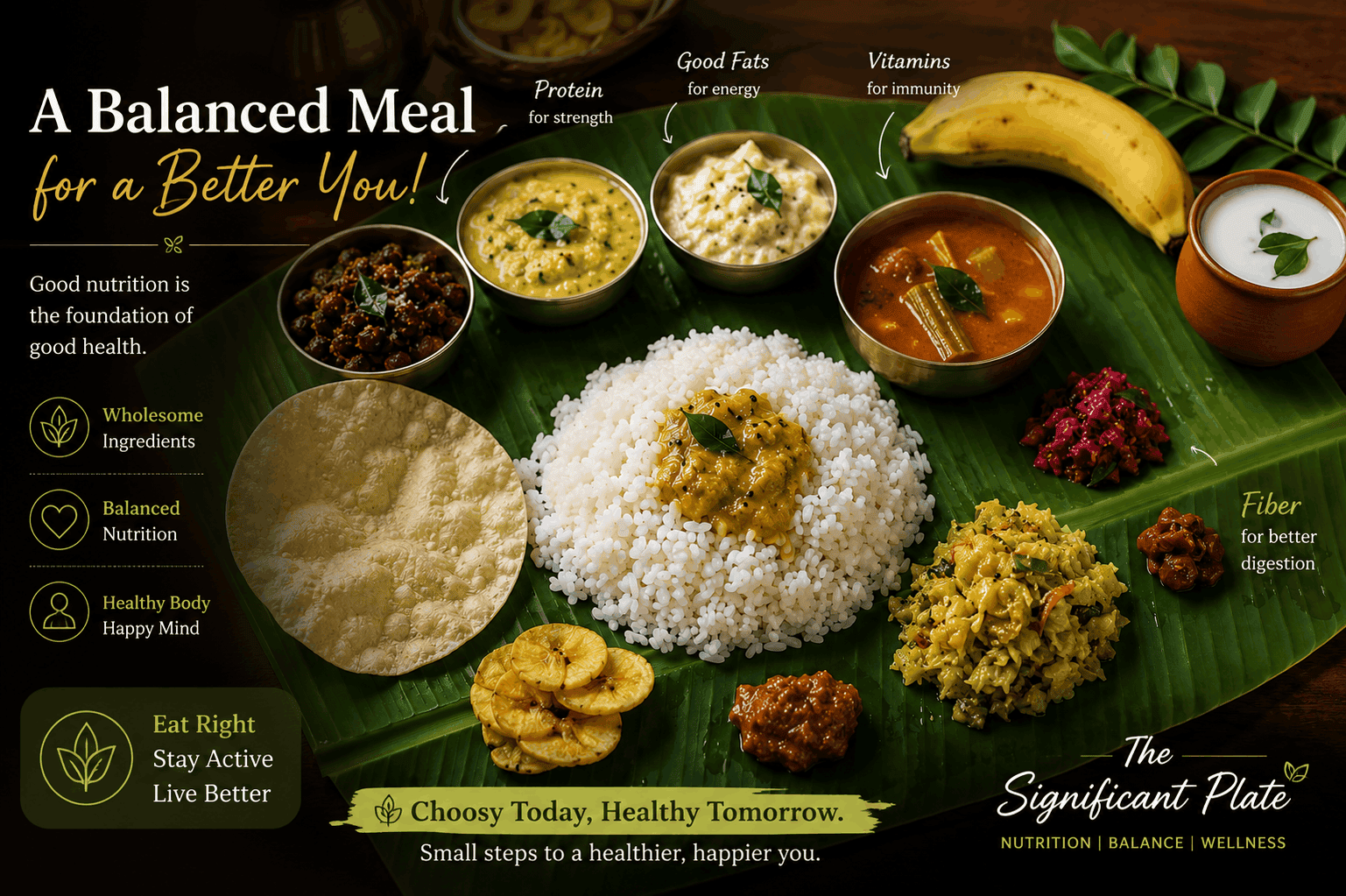
Healthy eating doesn't mean giving up traditional Kerala foods:
Puttu with kadala curry, idiyappam with vegetable stew, or appam with egg curry
Kerala red rice, fish curry, vegetable thoran, avial, salad, buttermilk
Tender coconut water, roasted peanuts, fruit
Chapati, vegetable curry, grilled fish, paneer, mixed vegetables
Traditional home-cooked meals can absolutely be part of a healthy lifestyle when portions are balanced and deep-fried foods are limited.
Simple Portion Control Tips
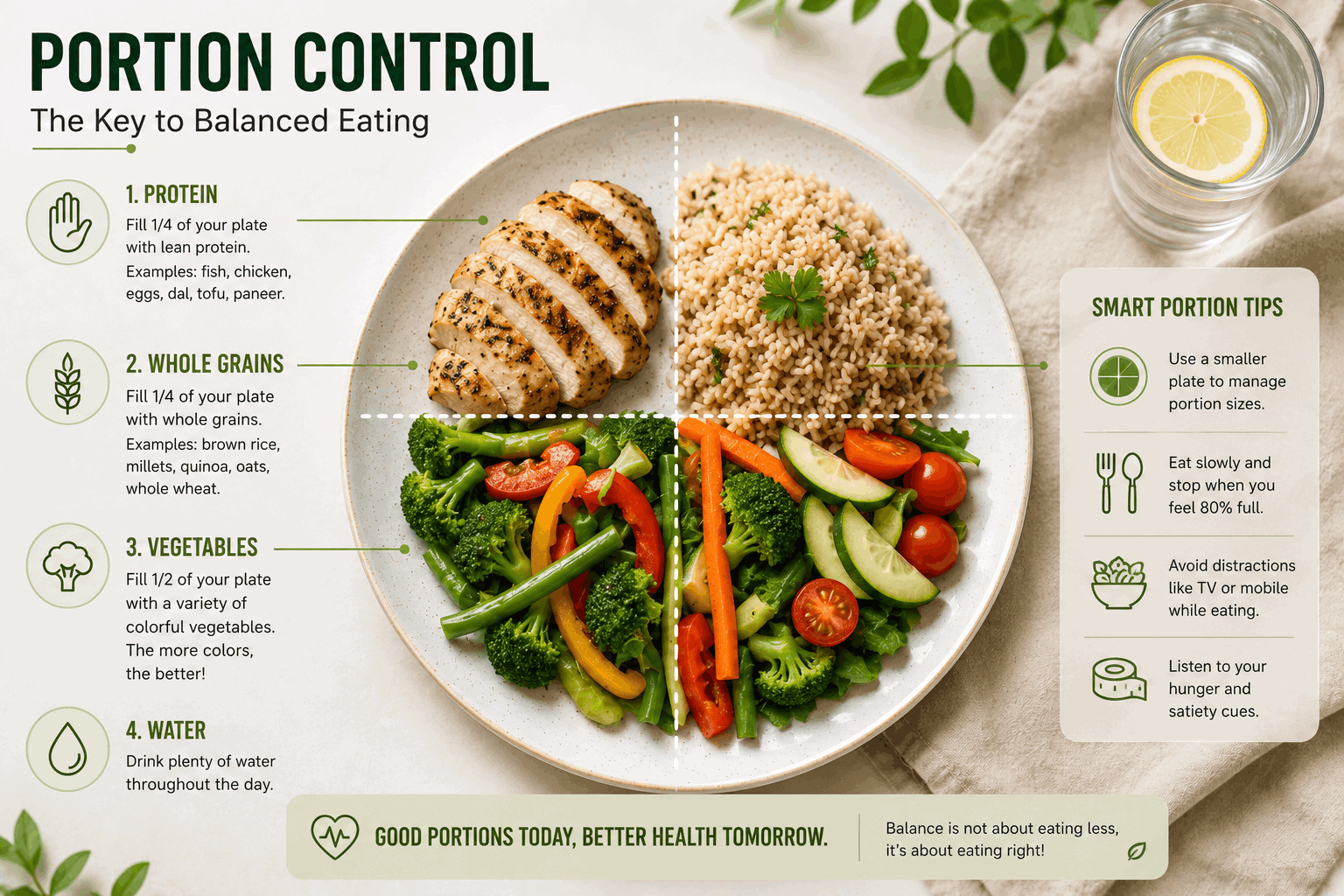
- Use a slightly smaller plate
- Eat slowly and pay attention to hunger and fullness
- Fill your plate with vegetables first
- Include protein in every meal
- Avoid eating directly from large snack packets
- Pause before a second serving to check if you're still hungry
Grocery Shopping Checklist
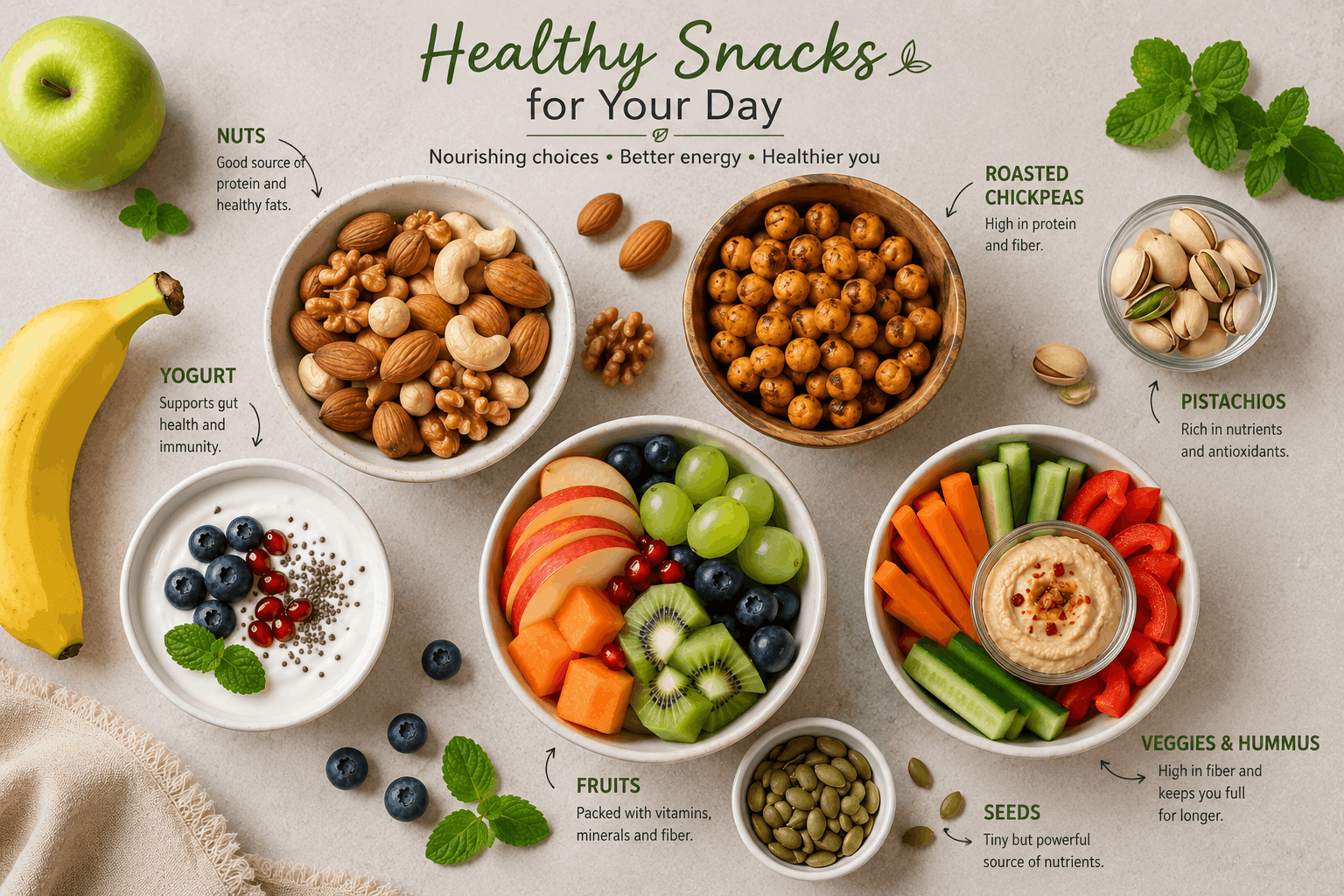
Healthy eating gets much easier when your kitchen is already stocked right. Keep this on hand for your weekly shop:
A mix of leafy greens, gourds, and seasonal vegetables — fresh or frozen.
Eggs, chicken, fish, paneer, tofu, lentils, and chickpeas.
Brown or red rice, oats, whole wheat atta, millets.
2–3 varieties you'll actually eat — fresh, not juiced.
Nuts, seeds, and a good-quality cooking oil in moderation.
Curd, low-fat milk, or a plant-based alternative.
Meal Prep for Busy Professionals
You don't need hours in the kitchen every day — a little planning on one day covers the rest of the week:
Pick One Day
Sunday or whichever day you have an hour free.
Cook Grains & Protein in Bulk
Rice, dal, and a protein source that reheats well.
Pre-Cut Vegetables
Store washed and chopped veggies for faster cooking on busy days.
Portion Into Containers
2–3 days' worth at a time, so food stays fresh.
How to Eat Healthy at Weddings, Restaurants & Festivals
Social eating doesn't have to derail your progress. A few practical habits help:
- Eat a small protein-rich snack before you go, so you're not arriving starving.
- Fill your plate with vegetables and protein first, then add smaller portions of rich or fried items.
- Choose one dessert you actually want, rather than tasting everything.
- During festivals, enjoy traditional sweets in moderation rather than avoiding them entirely — restriction around festivals often backfires afterward.
- Stay hydrated throughout, since thirst is often mistaken for hunger at buffets.
Weight Loss After Age 40
Metabolism naturally slows with age, and hormonal changes can make weight management feel different than it did in your 20s. This doesn't mean weight loss becomes impossible — it means the approach may need adjusting: prioritizing protein to preserve muscle, including strength training alongside cardio, paying closer attention to sleep quality, and being patient with a slower pace of progress. A dietitian can help tailor a plan to these changes rather than applying advice meant for a different life stage.
Common Mistakes Office Workers Make
- Skipping lunch, then overeating in the evening
- Relying on vending machine snacks between meetings
- Sitting for 8+ hours with no movement breaks
- Ordering food delivery out of convenience rather than planning ahead
- Drinking multiple sugary coffee drinks throughout the day
Walking, Exercise & Belly Fat: What Actually Works

Walking is one of the easiest, most sustainable forms of activity — no gym or equipment needed. Start with 20–30 minutes of brisk walking most days, and increase gradually. Regular exercise also helps maintain muscle, strengthen bones, and improve blood sugar control, alongside whatever eating pattern you follow.
One myth worth clearing up: spot reduction isn't possible — no amount of ab exercises removes belly fat specifically. Your body decides where it loses fat based on genetics and overall habits. Balanced meals, regular activity, sleep, and consistency reduce overall body fat over time, including around the waist.
Why Sleep & Stress Matter for Weight Loss
Poor sleep can increase cravings for sugary foods and affect hunger hormones — aim for 7–9 hours nightly. Stress doesn't directly cause weight gain, but it strongly influences eating habits, sometimes toward overeating and sometimes toward skipping meals. Walking outdoors, deep breathing, yoga, and talking to someone you trust are all healthy ways to manage it.
Weight Loss with PCOS, Thyroid & Diabetes
These conditions can make weight management genuinely harder — but weight loss is still possible with the right approach, and it's an area where a personalized therapeutic nutrition plan makes a real difference over generic advice:
- PCOS — regular meals, protein with each meal, high-fiber foods, and consistent activity support insulin sensitivity.
- Hypothyroidism — weight loss may happen more slowly; take medication as prescribed and avoid unproven "thyroid detox" products.
- Diabetes — focus on whole grains, daily vegetables, lean protein, and portion monitoring; always discuss major dietary changes with your healthcare provider if you're on medication or insulin.
Emotional Eating & Common Mistakes
Sometimes we eat from boredom, stress, or habit rather than physical hunger. Before reaching for a snack, ask: am I actually hungry, or just thirsty, stressed, or bored? Combine this awareness with avoiding these common mistakes: skipping breakfast, drinking your calories through sugary beverages, eating too quickly, expecting perfect results, and chasing every new diet trend on social media.
When Should You Consult a Dietitian?
Professional guidance is especially valuable if you have diabetes, PCOS, thyroid disorders, high cholesterol, digestive concerns, or simply want a personalized meal plan built around your health, lifestyle, and preferences rather than a one-size-fits-all approach. Our Weight Loss & Weight Gain program is built for exactly this.
Key Takeaways
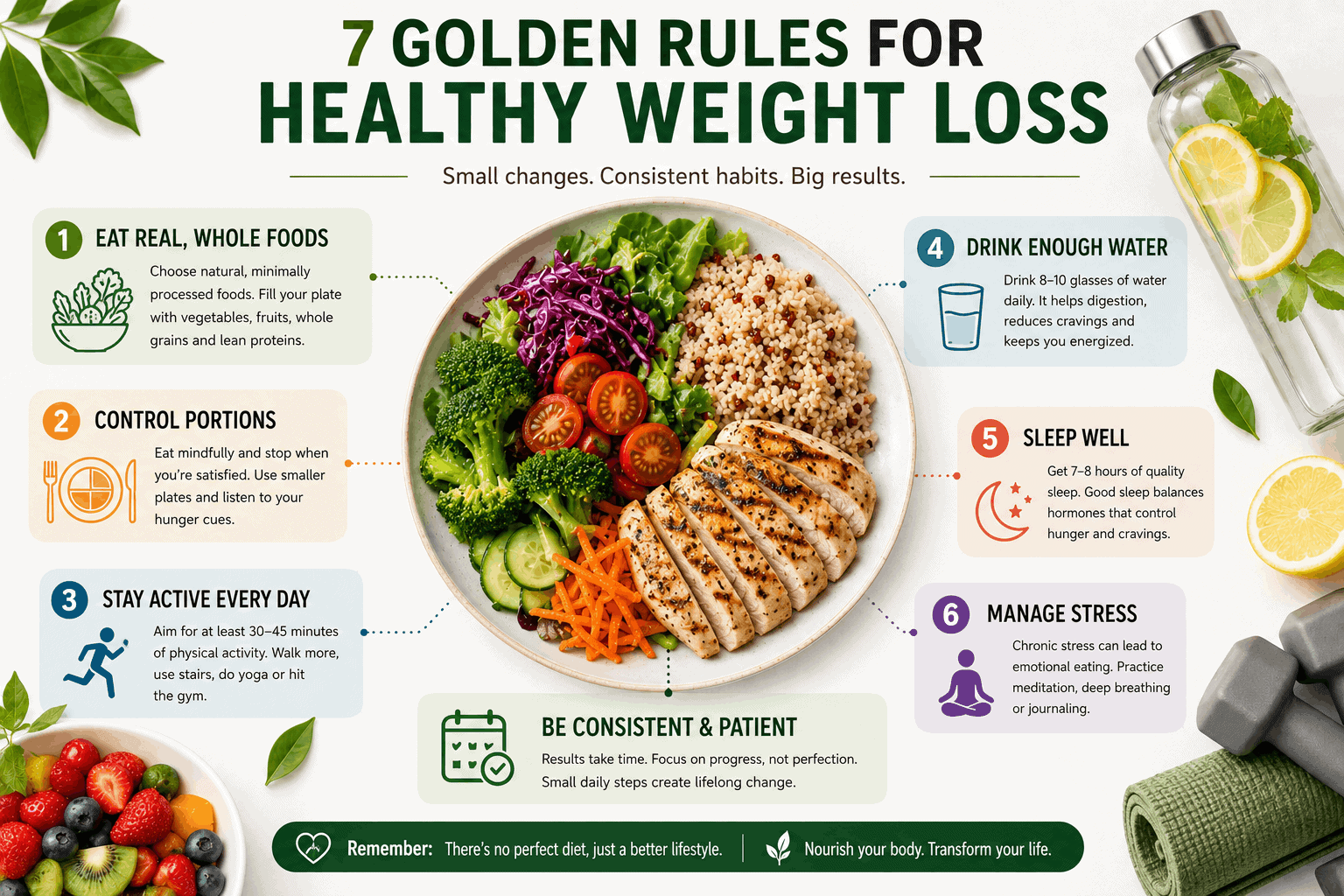
- Healthy weight loss is about consistency, not perfection.
- Crash diets rarely provide long-term success.
- Balanced meals and regular activity beat extreme restriction.
- Sleep, stress management, and hydration all support a healthy lifestyle.
- Conditions like PCOS, diabetes, and hypothyroidism may need individualized nutrition advice.
- Small, sustainable habits produce better long-term results than rapid changes.
Frequently Asked Questions
No. Rice can absolutely be part of a healthy weight loss plan — portion size, cooking method, and overall meal balance matter far more than avoiding rice entirely.
Healthy weight loss is gradual. Rapid programs often aren't sustainable or nutritionally adequate — building habits you can maintain matters more than speed.
Nutrition plays the larger role in weight management, but regular activity — even just walking — supports muscle, heart health, mood, and long-term success.
No — spot reduction isn't possible. Your body loses fat based on genetics and overall habits, not which muscles you exercise.
It can be slower or more complex, but weight loss is still achievable with the right approach — this is exactly where personalized, condition-specific nutrition guidance helps most.
No. Long-term success comes from balance and portion control, not complete restriction — enjoying favorite foods occasionally is part of a sustainable approach.
Growing bodies have different nutritional needs, so weight management for teenagers should be guided by a pediatrician or dietitian rather than adult diet advice or online plans.
Yes, but it's not necessary — rice can fit into a healthy weight loss plan in the right portion. Cutting it out entirely isn't required for progress.
Yes — fruit at night isn't inherently problematic for weight management. What matters more is your total daily intake and overall eating pattern.
Protein needs vary by body weight, activity level, and goals, so there's no single number that fits everyone. A dietitian can calculate a target based on your specific profile.
An occasional meal you enjoy without guilt can support long-term adherence — the concern is when "cheat meals" become frequent enough to undo consistent progress.
Green tea is a reasonable low-calorie beverage choice, but it's not a shortcut — evidence for a meaningful standalone weight-loss effect is limited. It works best as part of an overall healthy pattern, not a replacement for one.
Black coffee in moderation is generally fine and low in calories. The concern is usually what's added to it — sugar, cream, or flavored syrups can add up quickly.
Gradual, steady loss is generally considered more sustainable than rapid loss. Your dietitian can set a realistic pace based on your starting point and health profile.
Plateaus are a normal part of weight loss as your body adapts. Reviewing portions, activity levels, sleep, and stress with a dietitian often helps identify what's changed.
Alcohol adds calories with little nutritional value and can affect food choices and sleep. Occasional, moderate intake is generally more manageable than daily habitual drinking.
Most people can meet their needs through food. Supplements should only be used to address a specific, identified deficiency, ideally under professional guidance rather than as a general weight-loss aid.
Total daily intake matters more than the exact timing of meals for most people, though eating very close to bedtime can affect sleep and digestion for some.
It works for some people as a way to manage eating windows, but it isn't necessary for weight loss and isn't suitable for everyone, particularly those with certain medical conditions. It's worth discussing with a dietitian before starting.
Building routines rather than relying on motivation alone, and celebrating small consistent habits, tends to work better than trying to stay "motivated" indefinitely.
This requires careful, individualized guidance to ensure both mother and baby's nutritional needs are met — please consult a dietitian or doctor directly rather than following general weight loss advice during this period.